Local-First Documents
Why Local-First PDF Workflows Matter for Windows Teams
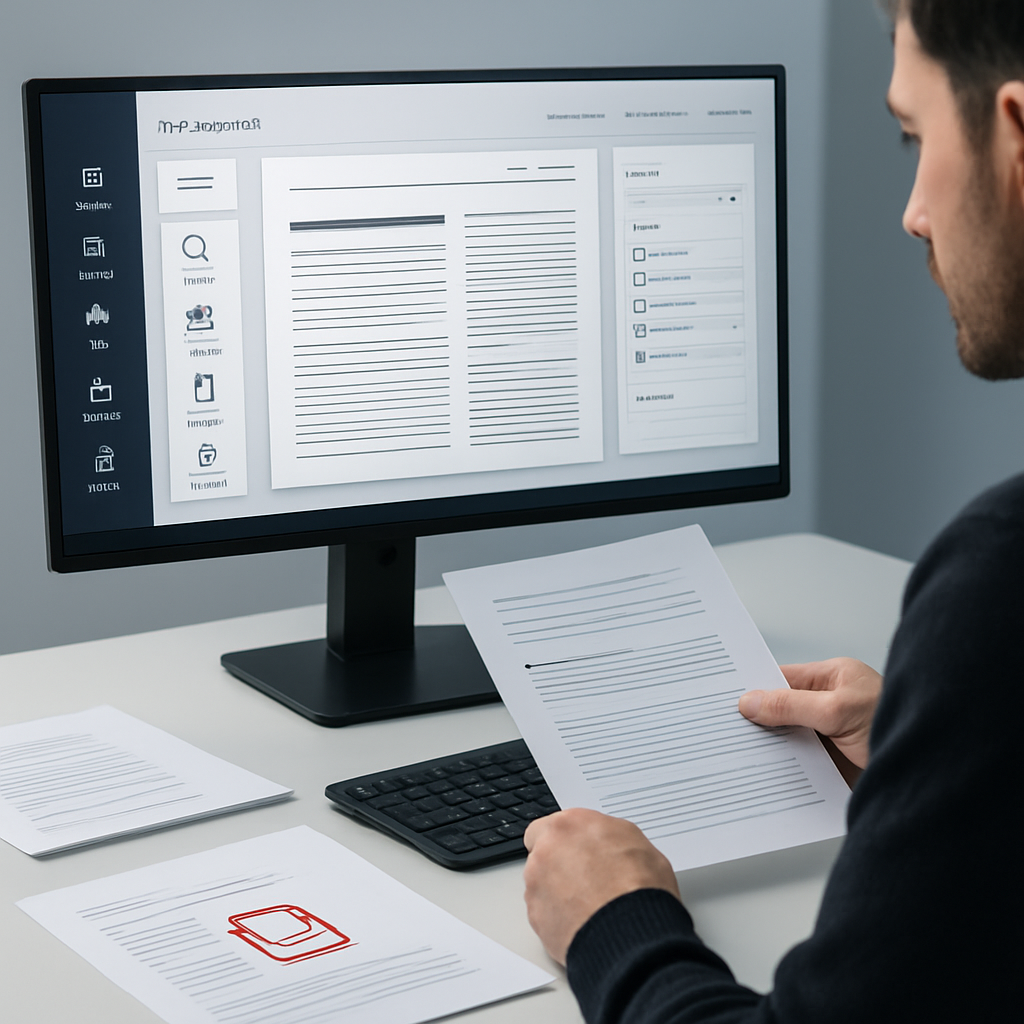
Why Local-First PDF Workflows Matter for Windows Teams
Windows teams handle PDF files every day: contracts, reports, invoices, manuals, onboarding documents, and review packs. In many cases, the fastest way to finish a task is also the riskiest one: upload files to a web tool, wait for processing, and download the result.
A local-first PDF workflow for Windows gives teams a different option. Instead of sending documents to multiple websites for every merge, split, search, or extraction task, users can prepare PDFs directly on the desktop. That approach can reduce friction, keep work organized, and help teams stay more intentional about document handling.
PDF PowerKit is designed for that kind of workflow: local, private, and focused on practical PDF tasks on Windows.
What a local-first PDF workflow means
A local-first workflow keeps the main document actions on your Windows device rather than making the web the default place to work. For PDF tasks, that can include:
- reading documents locally
- searching text inside PDFs
- merging multiple files into one package
- splitting a large PDF into smaller sets
- extracting selected pages
- preparing files for internal review
- working with recent files stored locally
This matters because PDF work is often repetitive. If your team opens the same kinds of documents every week, a desktop workflow can make those steps easier to repeat without switching between multiple browser tabs and upload forms.
Why teams prefer desktop PDF workflows
There are a few practical reasons teams look for a local-first PDF workflow for Windows.
1. Fewer upload steps
Uploading documents to a separate website adds extra steps. For simple tasks like merging a few PDFs or splitting one file into sections, desktop software can feel more direct.
2. Better control over private documents
Teams that work with internal reports, contracts, finance records, HR files, or student documents often prefer to keep files on the device while preparing them. Local-first tools are a better fit for that preference.
3. Easier routine work
When the same PDF tasks repeat every day, a desktop app can make the workflow more predictable. Open the app, load the file, perform the action, and continue working.
4. Less context switching
Browser-based tools can be useful, but they often force users to move between different sites for different actions. A desktop PDF app can combine multiple steps in one place.
Common PDF tasks teams want to do locally
A practical Windows PDF workflow usually starts with the basics.
Read and search PDFs
Many teams need to open a PDF, zoom in, move through pages, and search for a term quickly. A local reader with navigation and search can make this faster, especially for long documents.
Merge files
Operations teams, consultants, and office admins often need to combine several PDFs into one file for review or distribution.
Split large documents
Sometimes one long PDF needs to become smaller files by page range, by every N pages, or by individual pages.
Extract selected pages
If only a few pages are needed, extraction can help create a smaller document for review or sharing.
Prepare files for internal workflows
Teams may also need to organize documents before signature review, internal approval, or archiving. Local preparation makes those steps easier to manage.
How PDF PowerKit supports local PDF preparation on Windows
PDF PowerKit is a native Windows desktop app built for fast, private PDF workflows. It is designed to help users handle day-to-day tasks without making the browser the center of the process.
Some of the product areas that are currently relevant include:
- local PDF reading with zoom and navigation actions
- local search inside documents
- recently opened files persisted locally
- merge PDFs with reorder controls
- split PDFs by page ranges, every N pages, or individual pages
- extract selected pages
- operation progress with cancel hooks
- local theme switching
- language options prepared for multiple markets
That combination is especially useful when a team needs a straightforward way to prepare PDFs without leaving the desktop.
Where local-first workflows fit best
A local-first PDF workflow for Windows is a strong fit for teams and users who handle documents regularly, such as:
- operations teams preparing internal packets
- legal and contract teams reviewing file sets
- finance admins organizing invoices and statements
- consultants packaging deliverables
- small businesses managing routine documentation
- educators preparing course materials
These users often do not need a complex document platform. They need a reliable way to read, search, merge, split, and organize PDFs locally.
A practical example of a local workflow
Here is a simple example of how a desktop workflow can work:
- Open a PDF from local storage.
- Search for the section you need.
- Merge supporting files if the review set needs one combined document.
- Split or extract the pages that matter.
- Save the prepared file for internal review.
This kind of process keeps the work contained and easy to repeat.
What to look for in a Windows PDF app
If you are evaluating a local-first PDF workflow for Windows, look for features that match real work instead of just feature lists.
Useful capabilities include:
- fast local opening of documents
- readable interface for navigation and search
- merge and split tools with simple controls
- recent files history stored locally
- progress indicators for longer operations
- language options for your team
- a desktop experience that does not depend on uploading every file
For many teams, the value is not only in individual actions. It is in how smoothly those actions fit together.
Notes on signing, protection, and compression
Some PDF workflows also involve signing, watermarking, metadata editing, or protection controls. Those can be important product areas, but their exact behavior depends on the build and feature state.
For example:
- signature workspaces may help prepare signing-related tasks
- protection controls may help manage how files are handled locally
- compression behavior should be evaluated based on the actual build, since results can vary by document
If you need signing or protection for sensitive workflows, it is best to review the current product capabilities carefully and verify what is available in your version.
Why privacy positioning matters
For many teams, the decision is not only about speed. It is also about how documents are handled.
A local-first PDF workflow helps reduce unnecessary web uploads and keeps the default workflow on the desktop. That can be helpful when users want more control over where files are processed.
If a workflow uses any cloud or AI-related feature in the future, it should be opt-in and document-based, with clear user consent before any processing happens outside the local machine.
Related guides
If you want to go deeper, these related resources may help:
- How to Prepare Private PDF Workflows on Windows Without Uploading Files
- How to Build a Private PDF Workflow on Windows for Reading, Merging, Splitting, and Searching
FAQ
### What is a local-first PDF workflow for Windows?
A local-first PDF workflow keeps PDF reading, searching, merging, splitting, and related preparation tasks on your Windows desktop instead of making web uploads the default step.
### Why do teams prefer local PDF tools?
Teams often want fewer upload steps, simpler repeatable workflows, and more control over private files.
### Can PDF PowerKit help with reading and searching PDFs locally?
Yes. PDF PowerKit is designed for local PDF reading and search workflows on Windows.
### Does a local-first workflow replace every web PDF tool?
Not always. Some teams may still use web tools for specific tasks. The point is to keep common document preparation local when that is more practical.
### Is PDF PowerKit a legal advisor for contracts or signatures?
No. It is a PDF workflow tool, not legal advice.
Final thoughts
If your team regularly prepares PDFs on Windows, a local-first workflow can make the work simpler and more controlled. Instead of uploading files for every small task, you can keep reading, searching, merging, splitting, and extracting documents on the desktop.
Open PDF PowerKit to prepare PDF workflows locally.
Primary CTA: Open PDF PowerKit
Secondary CTA: Prepare PDF workflows locally
Internal link suggestion: How to Prepare Private PDF Workflows on Windows Without Uploading Files